Project Title: Development of a Wearable Posture Analysis Device and a Physical Therapist Assessment Application – 2021
I had the opportunity to contribute to the development of a wearable posture analysis device consisting of a sensor-integrated posture-correcting garment. The garment incorporates highly sensitive, fine-thread sensors and is connected to a mobile application.
Through this integrated system, physical therapists can remotely assess an individual’s posture, monitor postural changes and patterns in daily life, and provide timely feedback through notifications when postural adjustments are needed. The technology offers an opportunity to support remote postural assessment and ongoing monitoring beyond the clinical setting.
This project was carried out in collaboration with biomedical engineering colleagues and faculty members. I am truly grateful to have been part of such a visionary and interdisciplinary team!

Project Title: Skills Tracking System as a Digital Solution for Student-Centered Learning (SkillTrack) – Erasmus+ SkillTrack Unified Rehabilitation Skills Catalogue, Erasmus Plus VET Project – 2021
Skills Tracking System as a Digital Solution for Student-Centred Learning (SkillTrack)
This international collaborative project was coordinated by Rīga Stradiņš University in Latvia, in partnership with Arcada University of Applied Sciences in Finland, Başkent University in Türkiye, and Evangelische Hochschule Ludwigsburg in Germany.
The project focused on promoting self-directed learning across various disciplines within health sciences. We explored approaches and digital solutions designed to support student-centred learning and empower students to take greater responsibility for their own learning processes. The aim was to help students identify their learning needs, monitor their progress, develop their skills, and become more independent and active learners.

Project Title: Development of a Wearable Spinal Deformity Detection Device and a Long-Term Analysis and Clinical Decision Support Application – 2022
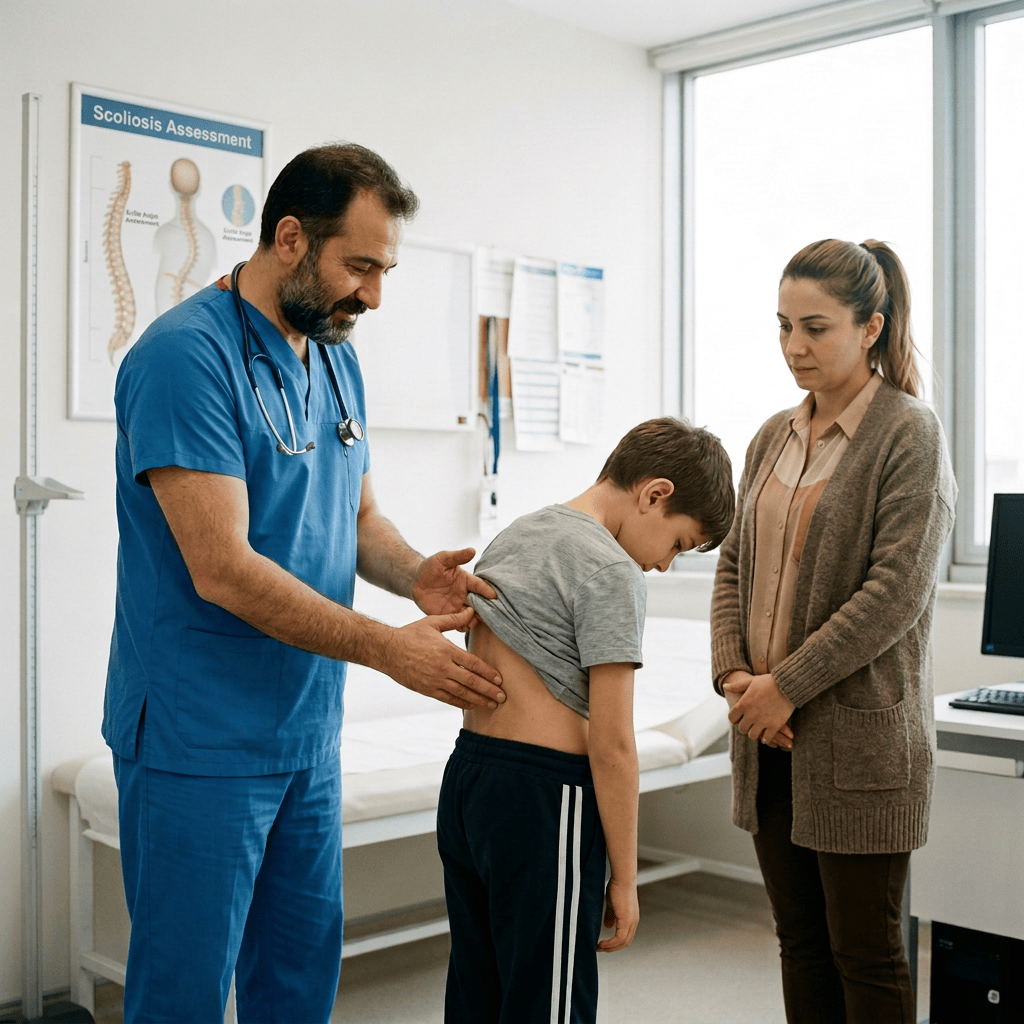
The primary aim of this project was to develop a wearable technology system that could be used as an assessment tool for the detection and monitoring of scoliosis.
Patients with scoliosis often require repeated radiographic imaging to evaluate spinal curvature, monitor disease progression, and assess treatment outcomes. However, frequent imaging can create additional financial costs and place a burden on patients due to repeated exposure to ionizing radiation.
To address these challenges, we aimed to develop a wearable system capable of supporting the assessment and long-term monitoring of spinal deformities. By integrating wearable sensor technology with a long-term analysis and clinical decision support application, the project sought to provide a more accessible approach to tracking spinal alignment and changes over time, with the potential to complement conventional radiographic assessments.
Project Title: COST Action CA20104- PhysAgeNet- Network on evidence-based physical activity in old age – 2021
WG3- Research methodology for technology- and exercise-assisted PA interventions in older age
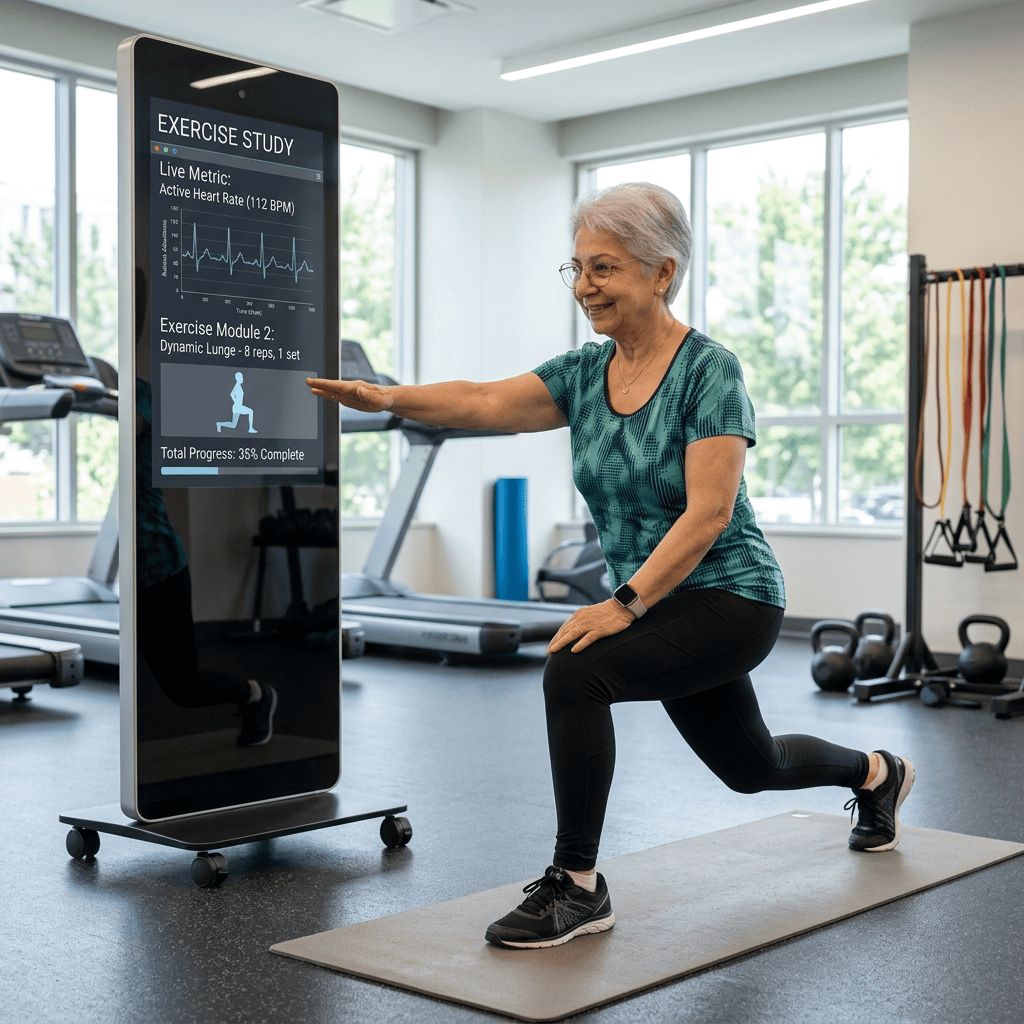
As part of this international research network, I contributed to work focused on exploring laboratory-based technological exercise applications to promote physical activity among older adults. Our work focused on the use of technology-assisted exercise approaches and the development of research methodologies for physical activity interventions designed to support healthy aging, improve physical activity participation, and maintain functional capacity in older populations.
Project Title: The Effects of Stroboscopic Eyewear Combined with Scapular Exercises on Shoulder Proprioception in Individuals with Scapular Dyskinesis – 2025
In this study, we aimed to introduce an innovative approach to shoulder rehabilitation by incorporating stroboscopic eyewear into a scapular exercise program. The primary objective was to explore whether stroboscopic visual training, combined with targeted scapular exercises, could influence shoulder proprioception in individuals with scapular dyskinesis.
By intermittently restricting visual input, stroboscopic eyewear was used as a sensory training tool to encourage participants to rely more on proprioceptive information during movement. This approach aimed to explore the potential role of visual-sensory training in improving proprioceptive awareness and movement control during shoulder rehabilitation.